



Magnesium is a trace element responsible for stress resistance, energy levels, and sleep quality. Often called the “mineral of calm,” it helps the nervous system stay balanced, even during times of overload. The question “which foods contain magnesium?” is more relevant than ever – over 40% of adults are deficient. Fatigue, cramps, and insomnia aren’t always caused by lack of rest; they’re often signs your body is running low on magnesium.
The good news? You can easily restore your magnesium levels naturally – simply by eating the right foods. This article brings together the 15 best dietary sources of magnesium, tables with mineral content, expert advice, and simple ways to make your diet more balanced.
Why Magnesium Matters
Magnesium is involved in more than 300 processes in the body – from regulating your heartbeat to producing proteins and “happiness” hormones. Without it, your brain, muscles, and digestive system can’t function properly.
Main functions of magnesium:
- Supports the nervous system and helps manage stress and anxiety
- Regulates blood pressure and heart rhythm
- Enables energy production in cells
- Improves sleep quality and reduces irritability
- Helps absorb calcium, potassium, and vitamin D
- Contributes to healthy bones and teeth
- Relaxes muscles after physical exertion
Magnesium is a natural ally for your heart, brain, and immune system. Its deficiency affects even your emotions: when magnesium is low, your body produces more cortisol – the stress hormone. That’s why a balanced diet is key to calmness and a stable mood.
Daily Magnesium Needs
The optimal amount of magnesium depends on age, gender, and activity level. Below is the recommended daily intake chart.
Table – Daily Magnesium Needs
| Category | Recommended daily magnesium (mg) |
| Children 1-3 years | 80 |
| Children 4-8 years | 130 |
| Teens 9-13 years | 240 |
| Teens 14-18 years | 360-410 |
| Adult men | 400-420 |
| Adult women | 320-360 |
| Pregnant women | 360-400 |
| People with high physical activity | 450-500 |
Magnesium doesn’t stay stored in the body for long, so it’s important to get it daily – ideally from food, not supplements.
Keep in mind: your body absorbs magnesium better when you have enough vitamin D and protein in your diet. These nutrients work together to make magnesium more bioavailable.
The Best Sources of Magnesium
If you’ve ever wondered which foods contain magnesium, the answer is simple: natural, unprocessed foods full of greens, grains, and nuts. These foods keep your energy steady, your nervous system calm, and your heart rhythm stable.
Magnesium truly is the mineral of calm – and when it regularly comes from your plate, you can start feeling better in just a few days.
Table: Foods with the Highest Magnesium Content
| Food | Magnesium (mg per 100 g) |
| Pumpkin seeds | 530 |
| Sesame seeds | 540 |
| Flax seeds | 395 |
| Sunflower seeds | 325 |
| Cashews | 292 |
| Almonds | 234 |
| Buckwheat | 200-258 |
| Wheat bran | 448 |
| Oats | 130 |
| Seaweed | 170 |
| Spinach | 80 |
| Bananas | 37 |
| Avocado | 30 |
| Salmon | 30 |
| Dark chocolate (70%+ cocoa) | 133-146 |
These 15 foods can easily cover your daily magnesium needs – no supplements required. Simply include three or four of them in your everyday meals.
1. Leafy Green Vegetables
Leafy greens – spinach, broccoli, arugula, parsley, basil, and dill – are some of the best natural sources of magnesium. Spinach contains about 80 mg of magnesium per 100 g, parsley around 50 mg, and broccoli about 30 mg. These greens are also rich in vitamins A, C, and K, which help your body absorb the mineral more efficiently.
If you’re wondering which foods with magnesium help reduce anxiety, look no further than leafy greens. They boost serotonin production, which is why a fresh green salad often leaves you feeling calmer. For best results, eat your greens raw or lightly blanched – heat can reduce magnesium content by up to 40%.
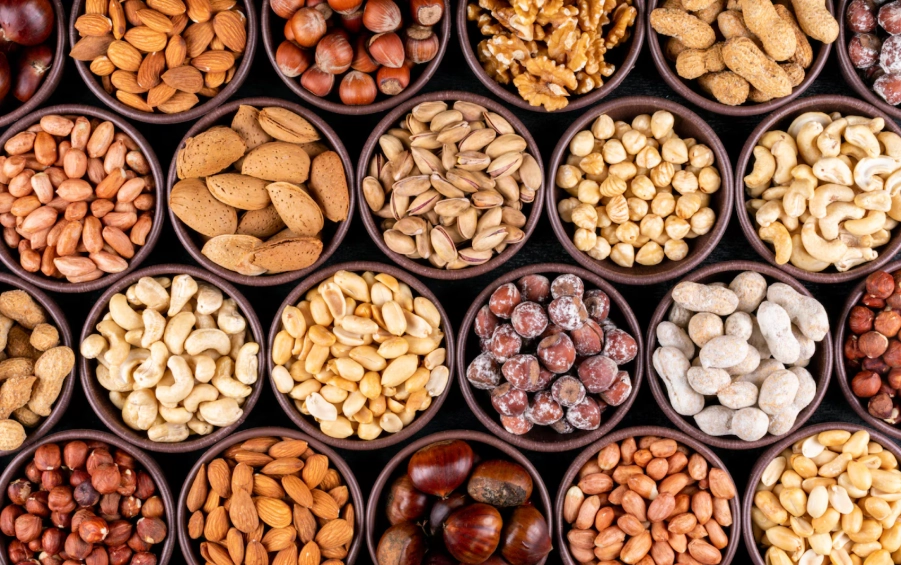
2. Nuts
Almonds, cashews, pistachios, hazelnuts, and walnuts are all magnesium-rich foods packed with healthy fats and plant protein. Cashews contain about 292 mg of magnesium, almonds around 234 mg, and hazelnuts about 160 mg per 100 g. Nuts support heart health, help regulate blood pressure, and provide long-lasting energy.
Regular nut consumption helps prevent cramps, improves mood, and lowers “bad” cholesterol. A small handful (about 20-30 g per day) is enough to boost your magnesium intake naturally – no pills required.
3. Seeds
Pumpkin, sesame, flax, chia, and sunflower seeds are true champions among magnesium sources. Sesame seeds contain 540 mg per 100 g, pumpkin seeds 530 mg, and flaxseeds 395 mg. The magnesium in seeds supports heart health, improves sleep, and enhances focus.
Add seeds to porridge, salads, or smoothies. For better absorption, soak them overnight to activate enzymes. And if you’re looking for foods rich in both magnesium and zinc, seeds are your best choice.
4. Legumes
Soybeans, beans, chickpeas, peas, and lentils are excellent plant-based sources of magnesium and protein. A 100 g serving of soy contains around 240 mg of magnesium; beans provide 160-170 mg, and chickpeas about 120 mg. Legumes promote healthy digestion, stabilize blood sugar levels, and help strengthen muscles.
For athletes and active people wondering which foods contain magnesium, legumes are an ideal option – offering the best balance of minerals and protein. To improve absorption, soak beans or chickpeas before cooking and avoid adding too much salt.
5. Whole Grains
Buckwheat, millet, quinoa, barley, and wheat bran are some of the grains richest in magnesium. Wheat bran provides up to 448 mg per 100 g, buckwheat up to 258 mg, and quinoa around 200 mg. The magnesium in whole grains helps maintain stable energy levels and focus throughout the day.
Whole-grain foods are especially beneficial for people with high mental workloads. Try them for breakfast – in porridge form or as whole-grain bread with bran.
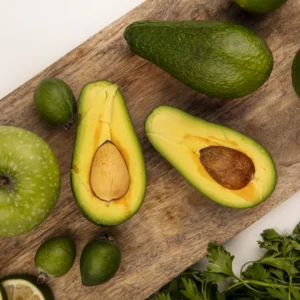
6. Avocado
Avocado contains about 30 mg of magnesium per 100 g, plus plenty of potassium, vitamin B6, and healthy fats. It’s one of the most balanced magnesium-rich foods for supporting your heart, blood vessels, and nervous system.
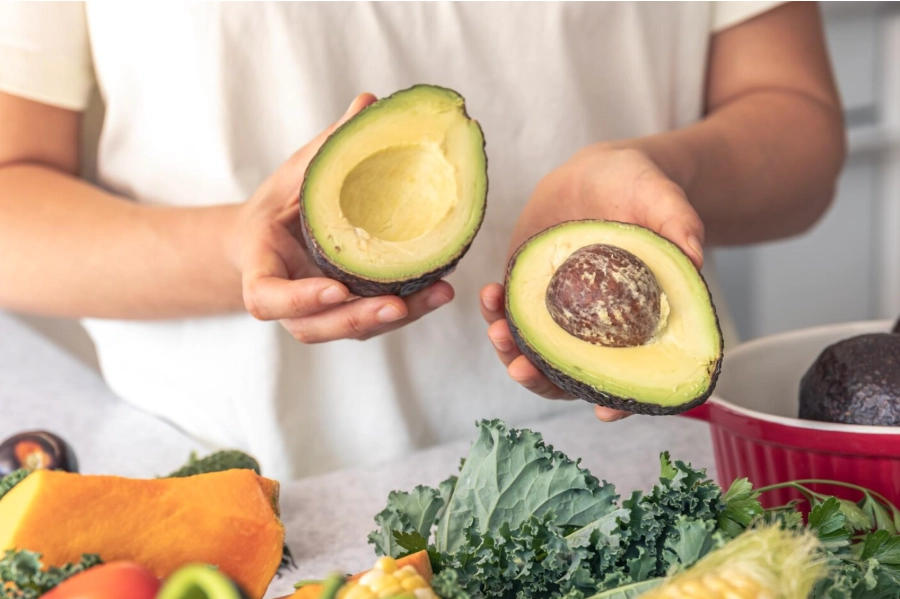
If you’re looking for foods that combine magnesium with “good fats,” avocado tops the list. It lowers cholesterol, enhances memory, and helps your brain function under stress. The best way to eat it is raw – in salads, on toast, or blended into smoothies.
7. Dark Chocolate
High-quality dark chocolate (70% cocoa or more) contains up to 146 mg of magnesium per 100 g. Beyond its flavor, it stimulates endorphin production, fights fatigue, and sharpens concentration.
Dark chocolate is also rich in iron, copper, and manganese – nutrients that support blood circulation and brain performance. An ideal serving is 20-30 g per day, preferably unsweetened. A few squares of dark chocolate can quickly lift your mood and restore mineral balance.
8. Fatty Fish
Mackerel, salmon, tuna, pink salmon, and sardines are animal-based sources of magnesium combined with omega-3 fatty acids. Mackerel provides about 97 mg per 100 g, while salmon offers around 30 mg.
Magnesium from fish supports the heart, reduces inflammation, and improves calcium absorption. Fatty fish also contain vitamin D, which helps magnesium reach your cells. For best results, eat fish two to three times a week – baked or steamed, not fried.
9. Bananas
Bananas are the simplest answer to “which foods contain both magnesium and potassium.” One hundred grams of banana offers about 37 mg of magnesium, along with vitamins C and B6 for a stronger nervous system.
Bananas help your body relax, increase serotonin levels, and fight fatigue. They’re perfect as a post-workout or midday snack. Regular banana consumption can naturally boost mood and improve sleep.
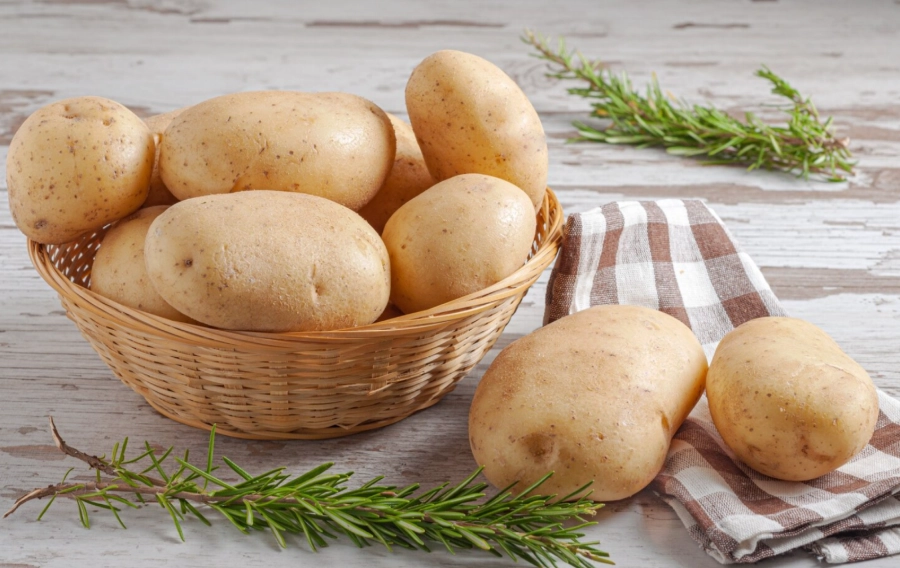
10. Potatoes
Surprisingly, regular potatoes also contain magnesium – about 25 mg per medium potato. They help regulate blood pressure and maintain a healthy electrolyte balance.
For maximum benefit, eat boiled or baked potatoes with the skin on, since most minerals are found right beneath it. Potatoes make an excellent side dish with vegetables or fish for a balanced meal.
11. Wheat and Wheat Germ
Wheat bran contains up to 450 mg of magnesium per 100 g, while wheat germ offers around 250 mg. These foods are rich in magnesium, fiber, and plant protein that support gut health and the nervous system.
Bran can be added to porridge, smoothies, or baked goods – just 1-2 tablespoons a day is enough. If you’re looking for magnesium-rich foods that improve digestion, wheat and bran are ideal choices.
12. Oats
A 100 g serving of oats provides around 130 mg of magnesium. Oat flakes are one of the best breakfast options because they keep you full and energized throughout the day. Magnesium in oats helps regulate blood sugar, sharpen concentration, and support brain function.
If you’re wondering which foods contain magnesium for better productivity, oats are the answer. Choose whole rolled oats without sugar or flavor additives for maximum benefit.
13. Seaweed
Seaweed contains about 170 mg of magnesium per 100 g, along with iodine, which supports thyroid function. This is a magnesium-rich and antioxidant-packed food that strengthens the immune system and helps fight fatigue.
Regular consumption of seaweed improves skin, eyesight, and digestion. Enjoy it in salads or as a side dish to fish or rice.
14. Low-Fat Dairy Products
Yogurt, cottage cheese, kefir, and milk provide 15-25 mg of magnesium per 100 g. While the numbers seem small, these foods help maintain the crucial balance between calcium and magnesium – essential for bone health.
Low-fat dairy products also contain protein, which enhances magnesium absorption. The ideal intake is one to two servings daily, preferably in the morning hours.

15. Halva and Dates
Sunflower halva (178 mg/100 g) and dates (60 mg/100 g) are sweet but beneficial sources of magnesium. They support brain function, boost energy, and help you recover quickly after exertion.
Dates also contain potassium, iron, and fiber, which improve digestion. Add them to porridge or enjoy them as a healthy dessert instead of candy.
Now you know which foods contain magnesium and how easily you can replenish it without supplements. Including greens, nuts, grains, seeds, fish, and a bit of dark chocolate in your diet gives your body everything it needs for energy, calm, and overall well-being.
How to Absorb Magnesium Better: What Helps and What Hinders
Magnesium is a mineral that’s easily lost – and not always easily absorbed. Even if you already know which foods contain magnesium, that knowledge alone isn’t enough. Your body must also be able to use it effectively. That’s why nutritionists emphasize: magnesium absorption depends not only on how much you eat, but also on nutrient combinations, digestive health, timing, and even stress levels.
Magnesium is absorbed in the small intestine, and the process is directly influenced by other nutrients – proteins, vitamins D and B6, calcium, and phosphorus. If this balance is disrupted, even the best magnesium-rich foods won’t deliver their full benefits.
Why Absorption Matters More Than Quantity
Most people consume magnesium regularly, but only 20-40% is actually absorbed. The main reasons include poor food combinations, excess sugar, coffee or alcohol, and low vitamin D levels.
The goal is to create conditions that help magnesium stay in your cells instead of being flushed out. To do that, you need to understand two things:
- What enhances magnesium absorption
- What prevents it
Table: How to Improve or Maintain Magnesium Absorption
| Factors That Help | Why It Matters |
| Vitamin D (fish, eggs, milk, sunlight) | Activates proteins that transport magnesium into cells, improving absorption by 25-30%. |
| Vitamin B6 (bananas, potatoes, buckwheat, avocado) | Helps magnesium enter nerve cells and boosts its effectiveness. |
| Proteins (fish, meat, legumes) | Trigger enzymes that allow magnesium to pass through the intestinal wall. |
| Fiber from vegetables | Supports slow, steady magnesium absorption. |
| Less sugar | Excess glucose “flushes out” magnesium through the kidneys. Less sugar means more retention. |
| Moderate caffeine | Coffee in small doses is fine, but over three cups a day can reduce magnesium levels. |
| Physical activity | Stimulates circulation and helps deliver minerals to your cells. |
As you can see, how you live matters as much as what you eat. Combining the right foods and habits helps your body use magnesium effectively.
Magnesium is best absorbed when consumed with vitamins D and B6, protein, and fiber. Equally important: limit sugar, move your body regularly, and get enough rest – physical activity activates the enzymes that deliver magnesium to your cells.
What Interferes with Magnesium Absorption
| Factors That Interfere | How They Affect the Body |
| Excess calcium | Competes with magnesium for absorption; too much calcium blocks it. |
| High fat intake | Slows enzyme function in the intestines, preventing magnesium from entering the bloodstream. |
| Alcohol | Increases magnesium loss through the kidneys; even 1-2 drinks per day can lower your levels. |
| Sugar and sweet drinks | Deplete magnesium and potassium, leading to fatigue. |
| Fast food and canned foods | Contain phosphates that bind magnesium, making it unavailable to cells. |
| Antinutrients (phytic acid, oxalates) | Found in raw legumes and grains; block minerals unless foods are soaked first. |
| Stress and insomnia | Raise cortisol levels, which “wash out” magnesium from your cells. |
Even the most magnesium-rich foods won’t help if your body can’t absorb them properly. The key is moderation: limit sugar, alcohol, excess calcium, and fats. Also keep your vitamin D levels healthy and stay active – that’s how magnesium can fully unleash its potential for energy, calm, and overall wellness.
Smart Food Combinations for Better Magnesium Absorption
Here are some simple examples of how to combine meals for maximum magnesium benefit:
- Breakfast: oatmeal + banana + a handful of almonds – a mix of magnesium, vitamin B6, and protein.
- Lunch: buckwheat with vegetables + chicken or salmon – sources of magnesium, protein, and vitamin D.
- Dinner: salad with spinach, avocado, and sesame seeds – light but mineral-rich.
- Snack: dark chocolate + nuts – quick magnesium and energy boost without harming your weight.
Tip: Drink enough water. Proper hydration helps regulate electrolyte balance and prevents magnesium loss through the kidneys.
To truly benefit from magnesium, it’s not enough just to know which foods contain it – you need to create the right conditions for absorption. Balanced combinations, enough protein and vitamins D and B6, and minimal sugar – that’s the formula for success.
Remember: even the best supplement can’t replace a bowl of spinach with nuts or oatmeal with banana. These simple everyday meals are what bring you closer to calm, stability, and real vitality.
The Power of Everyday Magnesium
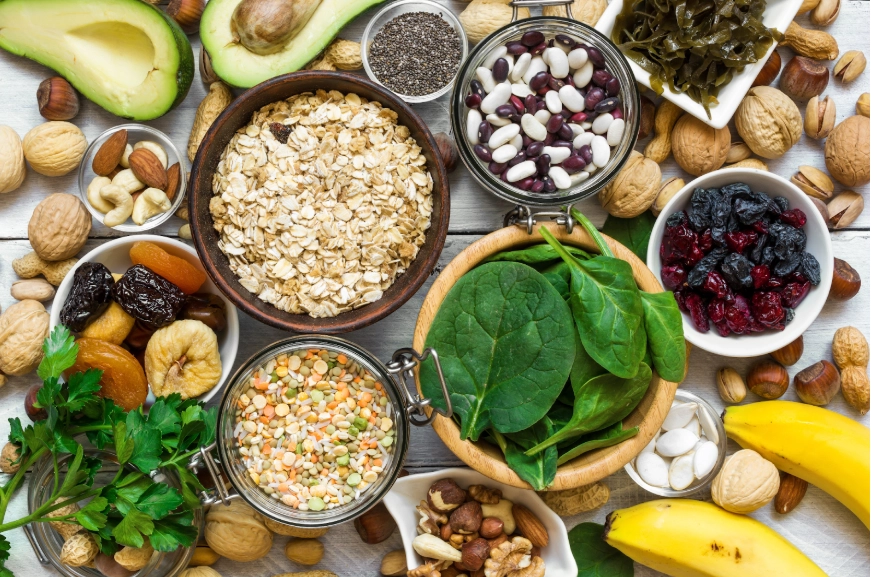
If we sum everything up, it becomes clear: the secret to energy, good sleep, and emotional stability isn’t in supplements but on your plate. What you eat every day can either drain your body or restore its natural strength.
Magnesium is a mineral of calm, balance, and inner strength. It’s involved in hundreds of processes – from heart function and cell repair to serotonin production and sleep regulation. Its role is so fundamental that even a mild deficiency can instantly affect your mood and energy.
To prevent that, make small but smart swaps:
- Instead of a candy bar – grab a handful of nuts or pumpkin seeds.
- Instead of morning coffee on an empty stomach – drink water with lemon.
- Instead of evening fast food – enjoy a warm salad with spinach, avocado, and salmon.
These foods contain magnesium in its most natural, easily absorbed form. By adding them to your diet regularly, you’re supporting your heart, nerves, immunity, memory – even your skin.
Add to that some calm, clean water, daily movement, and enough sleep – and your body will start working exactly as nature intended.
Magnesium doesn’t ask for much. It just needs your attention to the small things that make up your day – because in those details lies what we all need most: balance, mental clarity, and inner energy.
Frequently Asked Questions
The richest sources include pumpkin seeds (over 500 mg per 100 g), sesame, wheat bran, almonds, cashews, buckwheat, spinach, and dark chocolate. These magnesium-rich foods are worth eating daily.
For adult men – about 400 mg, and for women – 320-360 mg. Teens need around 300 mg, and children between 80-240 mg, depending on age. You can easily meet your daily needs through a balanced diet if you regularly eat magnesium-rich foods.
Common causes include stress, lack of sleep, too much coffee, alcohol, or sugar, and poor water or food quality. These factors increase magnesium loss. That’s why it’s important not only to know which foods contain magnesium but also to create the right conditions for absorption: drink enough water, reduce stress, and eat whole grains, greens, and nuts.
No. Natural magnesium from food is safe, even in large amounts – any excess is excreted through the kidneys. Problems only occur with excessive use of synthetic supplements.
Magnesium is best absorbed when paired with vitamins B and D and protein. For example: spinach with eggs, buckwheat with beans, yogurt with banana, or nuts with dark chocolate. These combinations work naturally and help your body use the mineral more efficiently.