




Every day we think about where to get protein, iron, or calcium, but the question of which foods have iodine often gets overlooked. In many regions, people don’t reach the recommended iodine intake, so the risk of deficiency is high even with a “normal” diet. That’s why it’s important not only to know which foods have iodine, but also to understand how to build them into the weekly menu for the whole family.
Why It’s Important to Know Which Foods Have Iodine
Iodine helps your thyroid produce hormones that regulate metabolism, body temperature, energy levels, and concentration. When your diet lacks iodine-rich foods, the body reacts with fatigue, weight changes, feeling cold, and changes in skin and hair. Many organs use iodine: blood and lymph, adrenal glands, the gut, salivary and mammary glands, and the reproductive system. A deficiency affects mood, performance, and your overall energy.
In children, the effects show up faster: lower focus, slower learning, and constant tiredness. During pregnancy and breastfeeding, enough iodine is essential, because the baby receives iodine from the mother’s diet, and this is key for brain development.
Main reasons to track iodine intake from food:
- supports the production of T3 and T4 hormones that regulate metabolism and energy;
- helps many body systems work properly, including reproductive and endocrine;
- influences brain development and learning abilities in children;
- higher needs during pregnancy and breastfeeding;
- the body can’t store iodine for long, so daily intake is necessary.
Eating iodine-rich foods every day helps keep hormones balanced and prevents long-term health fluctuations. It creates a steady foundation for the health of adults and children, and it highlights how important it is to understand the right amounts and food choices.
How Much Iodine You Need Daily and Why Regular Intake Matters
To answer the question “which foods have iodine” in a practical way, you need to know basic intake norms. WHO and national recommendations agree: adults need about 150 mcg per day, and pregnant or breastfeeding women need 200–250 mcg, depending on the region. Children need less, but their requirements increase with age.
Approximate daily iodine needs (WHO and national guidelines):
- children 0–6 years – about 90 mcg;
- children 7–10 years – 120 mcg;
- teens 11–17 years and adults – 150 mcg;
- pregnant and breastfeeding women – up to 250 mcg per day.
It’s also important to know the upper limits. Too much iodine can affect the thyroid in the same way as deficiency. For adults, the upper safe level is usually 600–1100 mcg a day, depending on the regulator. So even if you know well which foods have iodine, avoid taking supplements without medical advice.
Another important detail: the body can’t “store iodine in advance.” If someone eats a lot of fish once a week but rarely eats iodine-rich foods on other days, the thyroid still goes through fluctuations. So the key is not only knowing which foods have iodine, but using them regularly across the week.
12 Popular Daily Sources: Which Foods Have Iodine
In short, if you’re building an iodine rich foods list, the answer is: mostly seafood, seaweed, milk, eggs, and some vegetables and fruits. Some of them are easy to add daily, others a few times a week. Here are 12 simple sources to start your iodine rich foods list:
- Iodized salt. The easiest way to prevent deficiency is to replace regular salt with iodized salt. It doesn’t change the taste of food, and it helps even if you don’t always remember which foods have more iodine. Just avoid oversalting in general.
- Seaweed (kelp, nori, wakame). Edible seaweed is one of the richest natural sources of iodine. Eating it a few times a week can noticeably increase total intake. If you want a quick way to add iodine, seaweed is one of the simplest options.
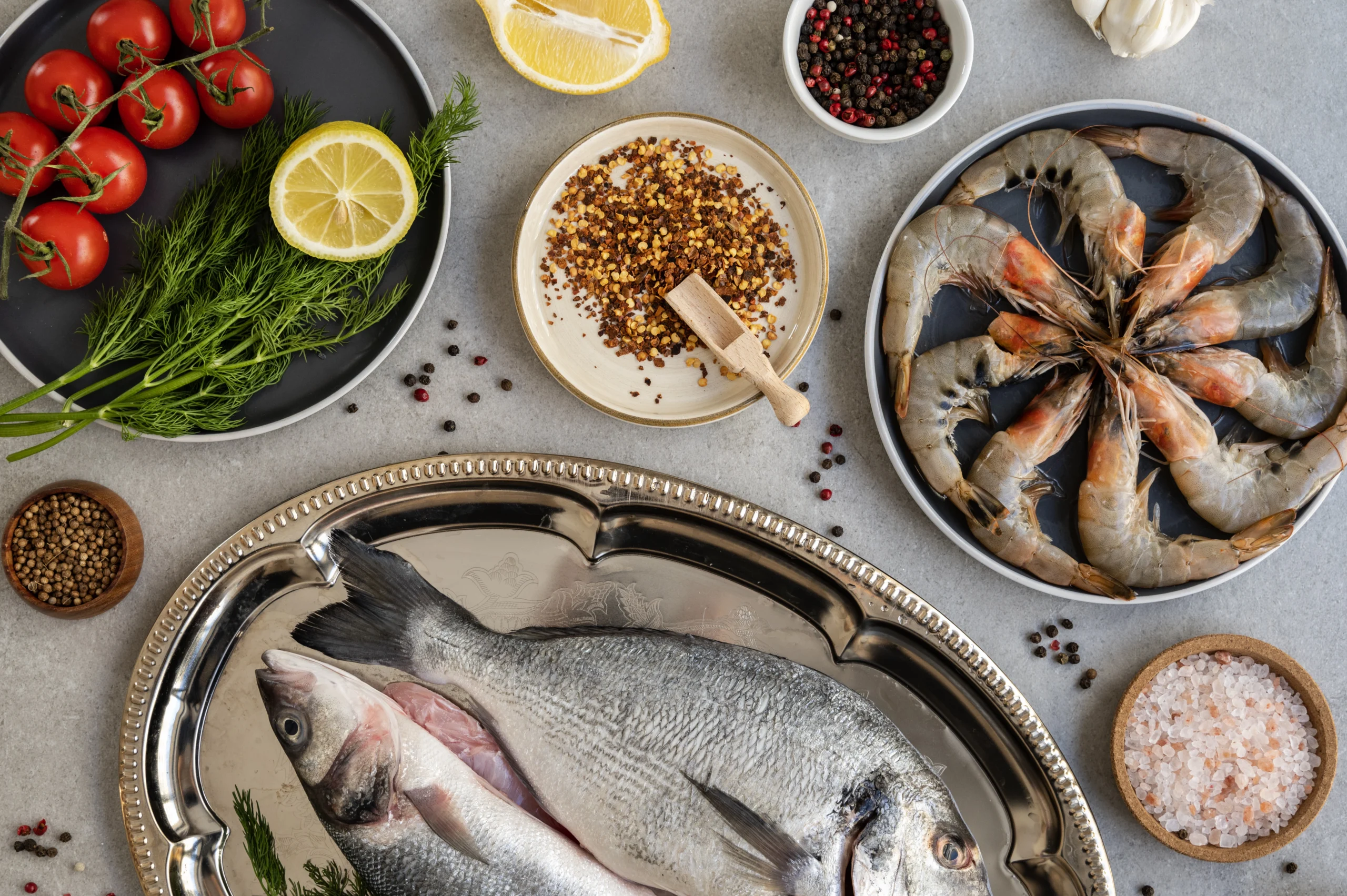
- White fish (cod, haddock, hake, pollock). 100 g of white fish can provide 90–220 mcg, sometimes nearly a full daily dose for an adult. If you eat baked or stewed fish 2–3 times a week, the question of which foods have iodine is partly covered. It’s best to cook gently to keep nutrients.
- Herring, mackerel, and other oily fish. These can also be good answers to which foods have iodine. They also contain omega-3 fatty acids that support heart health.
- Seafood (shrimp, mussels, squid, octopus). 100 g of seafood often has 70–200 mcg of iodine. A shrimp salad or seafood pasta is not only a festive dish but a real way to diversify the list of which foods have iodine. Frozen seafood works too if stored properly.
- Carp, perch, and other freshwater fish. They have less iodine than sea fish, but they still help. If you rarely cook sea fish, freshwater fish can be a good first step.
- Milk and yogurt. A glass of milk or a serving of yogurt gives 35–70 mcg, but the number depends on animal feed and processing. If you eat dairy daily, it partly answers which foods have iodine in your routine diet.
- Hard and soft cheese. About 15 mcg per 50 g. Not a lot, but as a regular source it still matters. A slice of cheese at breakfast adds another small step.
- Eggs. One egg has about 20 mcg of iodine. Regular omelets, boiled eggs, or egg-based dishes help increase the list of which foods have iodine in your everyday meals. This is especially useful for children.
- Beef liver and other organ meats. 100 g has 10–13 mcg, plus many other nutrients. Liver patties or stew can add another source, especially if you don’t cook fish often.
- Vegetables: potatoes, beets, garlic, green onion, spinach, eggplant, asparagus. Vegetables don’t have very high iodine levels, but they are easy to eat daily. Soups, salads, and side dishes support your intake.
- Fruits and nuts: persimmon, feijoa, bananas, prunes, walnuts. Among fruits, persimmon and feijoa stand out, and for snacks – prunes and walnuts.
The simplest way to avoid deficiency is to pick items from your iodine rich foods list to use iodized salt and seafood. But other foods from the list are helpful too. If you’re looking for healthy snacks and want to know which foods have iodine, these are often what nutritionists recommend.
Table of Foods That Have Iodine for Daily Meals
Before planning meals, it helps to see which foods have iodine and how much you can get from one serving. Numbers vary depending on soil, animal feed, season, and processing, but even rough values help understand what to eat more often.
Table: Which Foods Have Iodine
| Product Category | Serving Example | Approx. Iodine Content | Comment |
| Iodized salt | 1.5 g (¼ tsp) | ≈ 65 mcg | Easy to use in most dishes |
| Seaweed | 100 g | 35–150 mcg | Strong variation by type |
| White fish | 100 g cod or haddock | 90–220 mcg | Often covers most of daily needs |
| Seafood | 100 g shrimp, mussels, squid | 70–200 mcg | Fresh or frozen both work |
| Herring, mackerel | 100 g | 80–100 mcg | Combines iodine and omega-3 |
| Milk, yogurt | 250 ml milk or a cup of yogurt | 35–70 mcg | Depends on animal feed |
| Hard cheese | 50 g | ≈ 15 mcg | Easy to add to meals |
| Eggs | 1 piece | ≈ 20 mcg | Simple daily source |
| Beef liver | 100 g | 10–13 mcg | Added nutrients |
| Vegetables | Serving of salad or side | Small amounts | Complements main sources |
| Fruits, dried fruits | Persimmon, banana, prunes | Small amounts | Good for snacks |
| Walnuts | Small handful | Small amounts | Easy for breakfast and salads |
After this table, it’s easier to see which foods have iodine in noticeable amounts and where iodine only supports the overall diet. The best strategy is to mix items from your iodine rich foods list: seafood a few times a week, daily iodized salt, milk, eggs, vegetables and fruit. This helps reach recommended amounts without counting every microgram.
Iodized Salt: Simple Prevention of Iodine Deficiency
Even if you don’t love fish or rarely buy seafood, learning which foods have iodine should start with salt. Iodized salt is one of the main tools to prevent deficiency. The plus is you don’t have to change your menu drastically – just replace regular salt.
To make sure iodized salt really stays on the list of which foods have iodine, use and store it correctly:
- keep it in a dry, tightly closed container;
- use it within the expiration period, usually up to 9 months;
- add it near the end of cooking, because long heating reduces iodine.
At the same time, remember the general limit on salt intake. Even if this is your main answer to which foods have iodine, oversalting is not recommended. The best approach is moderate use of iodized salt while adding other foods more actively.
Schools and children’s camps already use iodized salt for cooking. This slowly changes eating habits for a whole generation. At home, switching salt is a small step that adds one more point to which foods have iodine in your family.
When Food Isn’t Enough: Supplements and the Role of a Doctor
Even if someone knows well which foods have iodine, sometimes it’s not enough. This can happen during pregnancy and breastfeeding, with strict diets (no fish and dairy), or in regions with strong deficiency. In such cases, a doctor may recommend supplements.
Choosing supplements and doses alone is risky. The upper limits are close to recommended levels, and too much iodine can trigger hypo- or hyperthyroidism. So even if you read a lot online about which foods have iodine and which pills “people recommend,” the decision should be made with an endocrinologist.
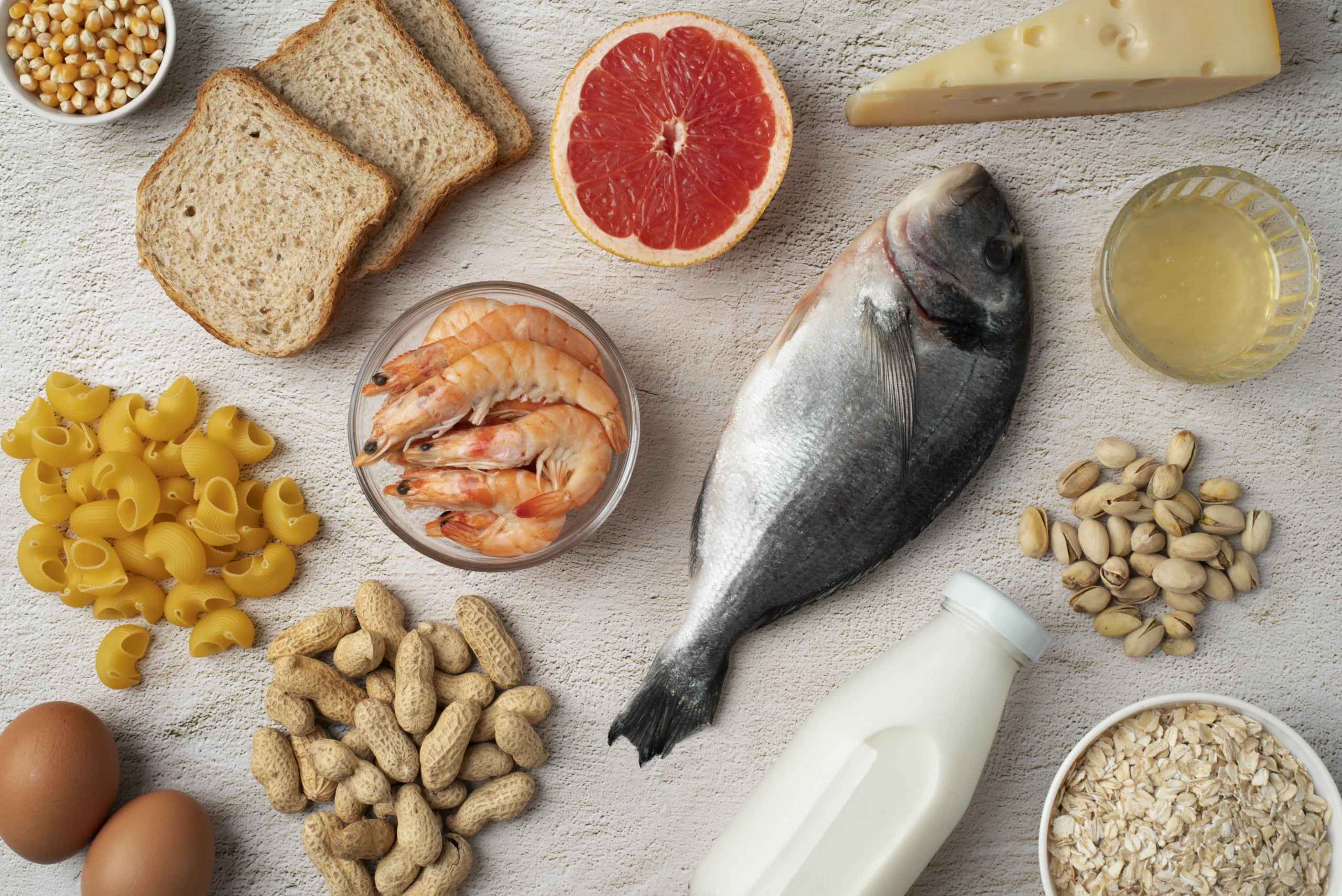
A separate topic is infants. Newborns receive nutrients from breast milk, so the mother’s diet should include iodine-rich foods, and if needed, a doctor may suggest supplements. For babies 7–24 months, fortified products or supplements can be used, but again – only under medical supervision.
Teens in regions with low iodine levels in soil and water may also need to pay attention to which foods have iodine. With a balanced diet, many don’t need supplements at all.
How to Remember Which Foods Have Iodine and Build an “Iodine Menu”
To keep the answer to which foods have iodine simple, it’s useful to create a small guide. All sources can be divided into three groups: daily – iodized salt, milk, eggs, vegetables, fruit; regular – sea fish, seafood, seaweed; additional – liver, nuts, prunes. If there are at least a few foods from each group, your iodine intake improves a lot.
Step two – use your iodine rich foods list to plan meals across one day. For example: Breakfast: yogurt or milk, an egg, a slice of cheese. Lunch: soup or borscht, fish with vegetables. Dinner: stewed fish, vegetable salad, a portion of prunes or fruit. Add a moderate amount of iodized salt – and you’re close to the daily norm.
Step three – consistency. Make a list of dishes that definitely include iodine: pollock with potatoes, green soup with spinach, tuna with nori, liver patties, couscous with shrimp. When you clearly see which foods have iodine and how they fit into meals, planning the week becomes much easier.
FAQ: Which Foods Have Iodine
What Simple Steps Help Me Understand Which Foods Have Iodine in My Diet?
Track what you eat for a few days, then mark which foods have iodine: fish, seafood, milk, eggs, iodized salt, vegetables, and fruit. You’ll see the real picture, not the assumed one. Then it’s easier to add 1–2 iodine-rich meals each day.
Can I Get Enough Iodine Only From Food Without Supplements?
For most healthy adults, yes – if your diet regularly includes sea fish, dairy, eggs, vegetables, fruit, and iodized salt. It’s important to keep diversity and not rely on one source like salt. If you’re pregnant or have a chronic condition, talk to a doctor.
Is It Enough to Replace Salt If I Know Which Foods Have Iodine but Don’t Like Fish?
Iodized salt helps a lot but doesn’t fully solve the issue. Even if you know well which foods have iodine, you usually need a mix: fish, dairy, eggs, vegetables, fruit. Try recipes that make fish more enjoyable for you, and use other sources more often.
Which Foods Have Iodine for Kids If They Refuse Fish?
Yogurt, milk, eggs, cheese, soups with vegetables and greens. If a child dislikes fish pieces, try fish patties or tuna spreads. Explain why it matters to know which foods have iodine, using simple meals as examples.
Are There Risks If I Eat Too Many Foods That Have Iodine?
Yes. Too much iodine can affect the thyroid just like deficiency. So even if you know well which foods have iodine, don’t take supplements or eat seaweed in large portions daily.
Who Should Pay the Most Attention to Which Foods Have Iodine?
Pregnant and breastfeeding women, children and teens, and people living in iodine-deficient regions. For them, the question of which foods have iodine is directly linked to brain development, immunity, energy levels, and thyroid disease risks.