


If you wake up tired, get cold easily, and notice weaker hair and nails, it may be a sign of iron deficiency. Iron is essential for delivering oxygen, keeping your muscles, brain, and immune system working as they should. By regularly eating foods rich in iron, you can naturally support your hemoglobin and ferritin levels without sudden energy crashes.
This article brings together science-based facts about iron, daily intake recommendations, absorption tips, and 20 top iron-rich foods that help you restore strength, endurance, and steady energy.
How Iron Affects Your Energy
We usually think of iron only in the context of hemoglobin, but its role is much broader. Iron is a key component of the protein that carries oxygen inside red blood cells. When you don’t get enough iron, less oxygen reaches your tissues and organs. That’s when fatigue, shortness of breath, headaches, and poor focus show up even during a normal workday.
Iron is also part of many enzymes involved in detoxification, collagen production, immune function, and energy metabolism. When your levels drop, it affects not only your blood tests but also your skin, hair, nail,s and mood. That’s why foods rich in iron are not just a “healthy eating” cliché but a real tool for feeling less drained day to day.
Ferritin deserves separate attention. It’s the storage protein your body uses to “pack away” extra iron. Even when hemoglobin is still normal, low ferritin can already cause the classic trio of symptoms: chronic fatigue, cold hands and feet, brittle nails and hair loss. So it’s important to look not just at a single test result but at what you eat every day and whether iron-rich foods are a consistent part of your diet.
Main functions of iron in the body:
- Oxygen transport – as part of hemoglobin and myoglobin.
- Energy production in mitochondria – through enzymes of the respiratory chain.
- Immune support – healthy work of lymphocytes and phagocytes.
- Production of neurotransmitters that affect mood and focus.
- Collagen formation and healthy skin, hair and nails.
When you regularly include iron-rich foods in your meals, you support not only hemoglobin but also stamina, mental clarity, and your overall appearance – all of which reflect your internal energy reserves.
Iron Intake and Risk Groups: Who Especially Needs Iron-Rich Foods
Your daily iron needs depend on age, sex, and physiological state. Kids, teens, men, women, pregnant people, and athletes all need different amounts. Since iron from food isn’t absorbed completely, daily recommendations take that into account: around 8–12 mg per day for adult men, 18–20 mg for women of reproductive age, and up to 27–30 mg during pregnancy.
In practice, this means almost every meal needs to include iron-rich foods – otherwise you simply won’t reach your daily target by evening. In certain situations (ulcers, serious GI issues, restrictive diets) food alone may not be enough to correct a deficiency.
People who need to be especially mindful of iron intake include vegetarians and vegans, women with heavy menstrual periods, athletes, teens in growth spurts, and anyone taking medications that lower stomach acidity or large doses of calcium. These factors either increase the body’s needs or reduce absorption, which makes iron-rich foods a must-have, not an occasional add-on.
Approximate Daily Iron Intake by Group
| Group | Daily Intake (mg/day) | Notes |
| Infants under 1 | ~4 | Mostly covered by formula/breast milk and complementary foods |
| Children 1–13 | 10–13 | Active growth, important balanced diet |
| Teen boys | ~15 | Growth spurts, sports, school demands |
| Teen girls | ~20 | Additional menstrual losses |
| Adult men | 8–12 | Lower iron losses overall |
| Adult women | 18–20 | Monthly blood loss |
| Pregnant people | 27–30 | Fetal needs and higher blood volume |
| Breastfeeding women | 27–33 | Iron used for milk production |
These numbers are guidelines, not strict rules. If your tests show low results, don’t try to treat anemia on your own – neither with food alone nor with high-dose supplements. Talk to a doctor first, then build a plan where iron-rich foods play a central role.
Heme vs. Non-Heme Iron: Why the Food Type Matters
When you start adding more iron-rich foods, it’s important to understand the difference between heme and non-heme iron. Heme iron is found in meat, poultry, fish and seafood; non-heme iron is found in grains, legumes, nuts, seeds, vegetables and fruit. Heme iron is absorbed much better – roughly 15–30%, while plant-based non-heme iron is absorbed at only 2–20%.
This doesn’t mean plant-based iron-rich foods are useless. They work very well when paired with vitamin C, organic acids, or a small amount of heme iron in the same meal. For example: buckwheat with stewed beef and vegetables, or a spinach–beet salad with nuts and lemon juice. These combinations significantly boost absorption.
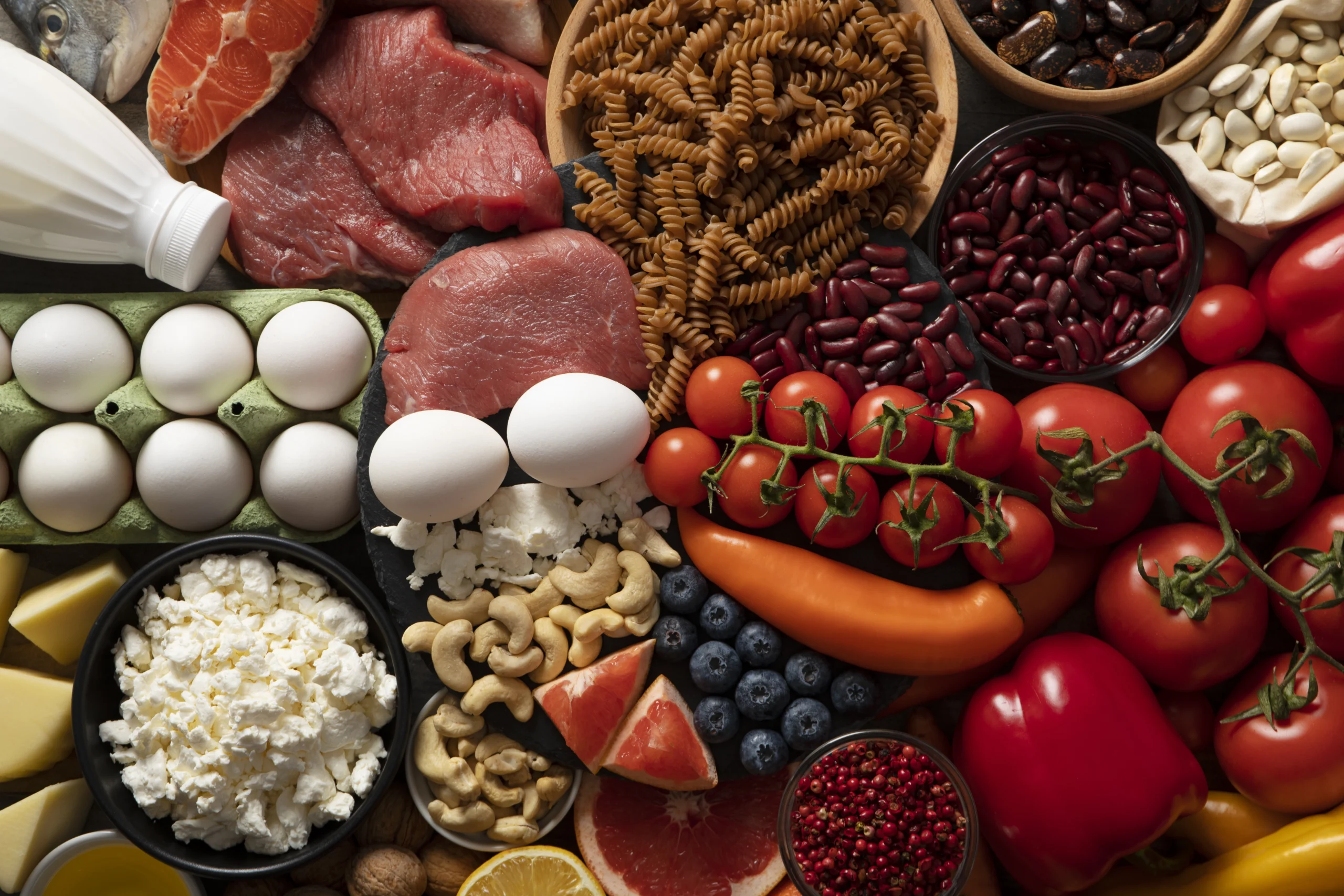
At the same time, some foods and habits interfere with absorption: too much bran, unsoaked legumes, drinking coffee or tea immediately after meals, or consistently pairing dairy with iron sources can all reduce how much iron your body absorbs. So it’s not enough to know which foods are rich in iron – you also need to combine them wisely.
What improves and what reduces iron absorption:
- Improves: vitamin C (citrus fruits, bell peppers, sauerkraut, berries) – forms a complex with non-haem iron, which is better absorbed.
- Improves: organic acids (citric, malic, succinic) – found in abundance in vegetables, fruits and fermented products.
- Improves: combining a small portion of meat or fish with plant sources of iron in one meal.
- Worsens: phytic acid in bran, whole grains and raw legumes – partially neutralised by soaking, sprouting or prolonged cooking.
- Worsens: excess calcium (milk, cheese, yoghurt) in the same meal as iron sources, as well as large amounts of coffee, black and green tea immediately after a meal.
When you take these factors into account, the same iron-rich foods can work dramatically better – and you’ll feel the difference in your energy levels within a few weeks.
10 Animal-Based Iron-Rich Foods: From Liver to Sardines
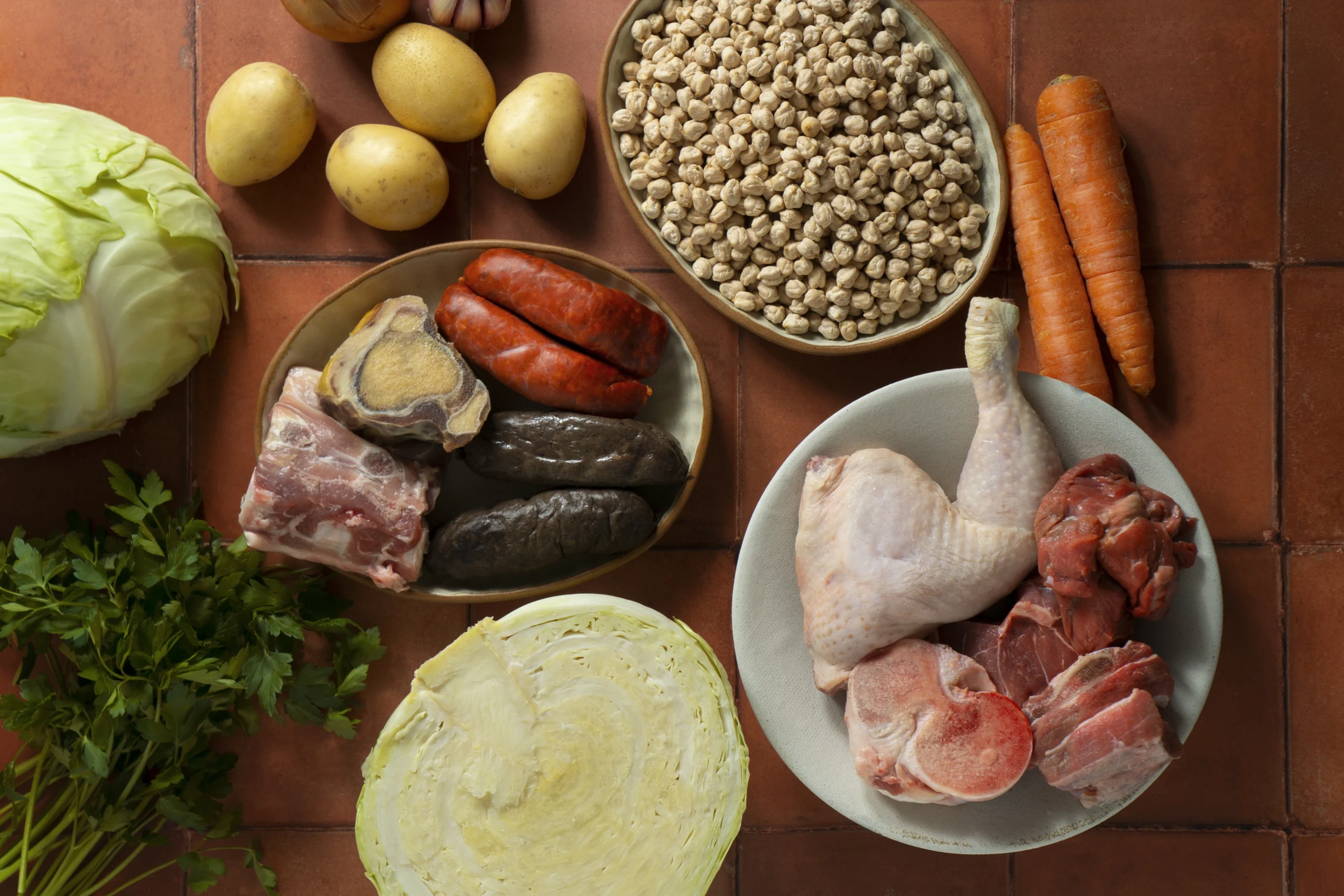
Animal foods rich in iron provide heme iron – the form your body absorbs most easily. That’s why doctors often recommend liver, red meat, seafood and eggs for anemia. Organ meats (like liver and heart) contain significantly more iron than muscle cuts, and dark poultry meat contains more iron than white meat.
When planning meals, look not only at the iron content but also at the balance of protein, fat and overall satiety. Oysters are a delicacy, liver isn’t everyone’s favorite, but beef, turkey, dark chicken meat and affordable canned sardines can be part of a realistic weekly menu.
Animal-Based Iron-Rich Foods (per 100 g)
| № | Food | Approx. Iron (mg/100 g) | Other Nutrients |
| 1 | Pork liver | 18–22 | Very high in vitamins A and B, copper and zinc |
| 2 | Beef liver | 6–9 | Heme iron + complete protein |
| 3 | Chicken liver | 8–10 | Mild flavor, great for pâté |
| 4 | Beef heart | 4–5 | Leaner, good for stews |
| 5 | Beef (meat) | 2.6–3.5 | Classic source of iron and protein |
| 6 | Dark chicken meat | 1.4–2.0 | More iron and zinc than chicken breast |
| 7 | Dark turkey meat | 1.5–2.5 | High protein, relatively low fat |
| 8 | Egg yolk | 2.7–7 | Also contains choline and fat-soluble vitamins |
| 9 | Oysters | 5–7 | High in zinc, B12, omega-3 |
| 10 | Canned sardines | ~2.5–2.9 | Omega-3, vitamin D, calcium |
If you add at least one of these foods most days – buckwheat with beef, liver pâté or a sardine salad – iron-rich foods become a natural and effective part of your eating routine.
10 Plant-Based Iron-Rich Foods: Energy Support for Those Who Eat Less Meat
Plant-based iron-rich foods matter not only for vegetarians. They also provide fiber, antioxidants, B vitamins, magnesium, and potassium – all key for stable energy levels and blood sugar. Yes, non-heme iron is absorbed less efficiently, but pairing these foods with vitamin C or small amounts of animal protein increases bioavailability.
Some plant foods rich in iron are eaten in small quantities (seeds, cocoa, dark chocolate), but they work well as accents – sprinkled on porridge, added to a salad or enjoyed as a small dessert.
Plant-Based Iron-Rich Foods (per 100 g)
| № | Food | Approx. Iron (mg/100 g) | Other Nutrients |
| 1 | Pumpkin seeds | 8–11 | High in zinc, magnesium, healthy fats |
| 2 | Sesame seeds | 10–14 | Calcium, copper, plant protein |
| 3 | Flaxseeds | 5–6 | Omega-3, lignans, fiber |
| 4 | Cocoa powder | 11–13 | Antioxidants, magnesium |
| 5 | Lentils (dry) | 6–9 | Protein and fiber |
| 6 | Chickpeas (dry/cooked) | ~3–5 | Protein, folate, vitamin C |
| 7 | Beans (cooked) | 2–3 | Great with vegetables and herbs |
| 8 | Tofu | ~5.4 (dry equivalent) | Plant protein, calcium |
| 9 | Fresh spinach | ~2.7 | Folate, vitamin C |
| 10 | Dark chocolate (70–85%) | 7–11 | Antioxidants, iron-friendly dessert |
When these plant-based iron-rich foods regularly appear in your porridge, salads, snacks or desserts, they complement animal sources and make your diet richer without sacrificing flavor.
How to Combine Iron-Rich Foods for Better Absorption: Meal Ideas and a Sample Day
Knowing which foods are rich in iron is only half the task. The other half is combining them so your body can actually absorb the iron instead of just passing it through. Simple rules help: include iron-rich foods at every meal, pair them with vitamin C sources, and ensure enough protein and healthy fats so you stay full longer.
A sample day where iron-rich foods work for you:
- Breakfast: water-based oatmeal with pumpkin seeds, cocoa, raisins and a handful of berries; an orange or a berry smoothie with a splash of lemon juice.
- Snack: whole-grain toast with hummus, tomato slices and herbs; optionally a few olives or a square of dark chocolate.
- Lunch: buckwheat with stewed beef/turkey and vegetables; sauerkraut–bell pepper–green onion salad with oil and lemon juice.
- Afternoon snack: warm salad with spinach, beetroot, sautéed onions and pine or pumpkin seeds; dried-fruit compote with moderate sugar.
- Dinner: steamed chicken or liver cutlets with mashed potatoes or couscous; roasted broccoli with olive oil and lemon; herbal tea before bed.
This is not a “treatment meal plan” – just a realistic way to make iron-rich foods a steady part of your diet without turning eating into a list of rules.
When Iron-Rich Foods Aren’t Enough: Deficiency Symptoms, Risk Groups and the Role of Supplements
Even with iron-rich meals in your routine, deficiency can still develop. Common reasons include chronic blood loss (heavy periods, ulcers, GI diseases), pregnancy and breastfeeding, malabsorption, long-term use of acid-reducing medications, or strict diets.
Symptoms usually progress slowly: fatigue, weakness, low productivity, sleepiness or trouble focusing. Later, shortness of breath from normal activity, a fast heartbeat, pale skin and mucous membranes, brittle nails, hair loss and cracked mouth corners may appear. These signs mean it’s time to get tests, not just “take vitamins.”
Pregnant people, kids, teens, women with heavy periods and athletes may struggle to meet their needs through food alone, even with a great diet. In such cases, a doctor may recommend iron supplements and choose the right form and dose. Avoid self-medicating or following “iron maxxing” trends – exceeding the upper safe limit (about 40 mg/day for adults) may cause other health issues.
When to see a doctor and get Iron tests:
- If you have ongoing fatigue that doesn’t improve with rest and already eat plenty of iron-rich foods
- If you notice shortness of breath, a fast heartbeat, pale skin, brittle nails, hair loss or unusual symptoms like “restless legs”
- If you’re in a risk group: pregnant, heavy periods, vegetarian/vegan, athlete, or have GI issues
- If you plan to take iron supplements – get tests first (hemoglobin, ferritin, sometimes serum iron)
- If you’re already taking iron and want to know whether the therapy is working and needs adjustment
Supplements can be helpful, but the foundation is still a balanced diet where iron-rich foods appear regularly and support your body’s natural energy production.
FAQs About Iron-Rich Foods
Can you meet your daily iron needs with plant-based foods only?
In theory, yes, but it’s harder than it sounds. Non-heme iron is absorbed less efficiently, so you need careful meal planning and frequent pairing with vitamin C. You also need to avoid overdoing foods that block absorption, like too much bran, cocoa, or certain breads. Vegetarians should monitor ferritin regularly.
How often should you eat liver or organ meats?
Liver is one of the richest iron sources, but it’s also high in vitamin A and cholesterol. Usually 1–2 portions per week (70–100 g each) are enough, especially if you eat beef, turkey, fish, legumes and pumpkin seeds on other days. Pregnant people or those with chronic conditions should check with a doctor.
Do you need to give up coffee and tea to improve iron levels?
No need to quit completely – just change the timing. Avoid drinking strong tea or coffee with iron-rich meals; wait 1–2 hours instead. That way, the polyphenols in these drinks won’t interfere with absorption. Water, herbal tea or drinks with vitamin C are better choices during meals.
How do you know when you need supplements instead of just dietary changes?
Symptoms alone aren’t reliable. You need blood tests – a complete blood count, ferritin and sometimes serum iron. If results show anemia or a significant deficiency, your doctor will advise which iron-rich foods to increase and whether you need supplements.
Is it possible to “overdo” iron through food?
In healthy people, excess iron from food is rare because the body regulates absorption. What can be dangerous is long-term use of high-dose supplements without proper monitoring. High levels of iron can damage organs and increase oxidative stress. A balanced diet with regular iron-rich foods plus supplements only when indicated is the safest approach.