



The body’s metabolic system is often blamed for everything – from extra kilos to constant fatigue. Some people think a “fast” metabolism lets you eat anything, while a “slow” one automatically means excess weight. In reality, metabolismis neither punishment nor bonus. It is a core function of any living body. Food, oxygen, hormones and billions of cells that renew themselves every day all go through it.
What Is Metabolism – A Simple Explanation
Put simply, metabolism is the sum of all chemical reactions in the body that let you breathe, move, think and recover. The body receives nutrients and oxygen, turns them into energy and “building blocks” for cells, and removes everything it does not need. This metabolic system includes digestion, breathing, skin renewal, muscle work, hormone production – all the processes that usually stay “behind the scenes”.
From a biological point of view, metabolism has three stages: intake of substances, their transformation inside the cells and the removal of end products. Food is broken down, its “bricks” enter the bloodstream and become part of the cellular metabolism. Some of these substances turn into energy, some into new cell structures.
If this chain breaks, this whole system immediately reminds you about itself: fatigue appears, the mind feels foggy, weight starts to change, skin problems show up.
In short, metabolism:
- Cannot be “switched off” or restarted from zero – it continues as long as a person is alive.
- Includes both building up and breaking down, not just “fat burning”.
- Depends not only on genes, but also on muscle mass, sleep, stress levels and diet.
- Reacts badly to crash diets: the body goes into economy mode instead of a “turbo” mode.
It is important to understand that your metabolic systemis individual, but it is not a life sentence. Different people have different basal metabolic rates, different body composition and hormone levels. However, food, movement, sleep, stress and digestive health strongly change how this “genetic set” shows up in daily life.
Three Levels of Metabolism: From Plate to Cell and Back
To see how this system behaves in real life, it helps to split it into three levels: digestive, cellular and excretory. This metabolic route is the path every bite of food takes – and each stage has its own possible weak spots.
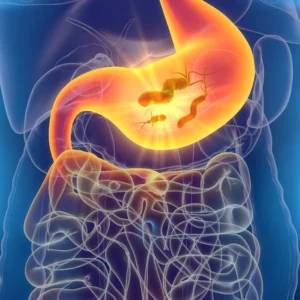
On the digestive level, food enters the gastrointestinal tract and is broken down into simple molecules. Enzymes, bile, stomach acid, the condition of the gut lining and the microbiota all matter here. If digestion is disrupted, the body does not receive the full set of nutrients even if the diet looks “healthy”. This shows up as heaviness, bloating, unstable stool and sleepiness after meals. A person may think they have a “slow metabolism”, while the real issue is absorption.
On the cellular level, the metabolic system “decides” where each molecule will go: into instant energy, short-term glycogen stores or long-term fat depots. Hormones such as insulin, thyroid hormones and sex hormones do a lot of the work here. If metabolism is in “economy mode”, the body prefers to store energy “for later” instead of spending it. In this case, weight can increase even with relatively low calorie intake.
On the excretory level, the kidneys, intestines, lungs and skin remove the end products of metabolism – water, carbon dioxide, urea and other compounds. When a person is dehydrated, has constipation or kidney problems, their whole energy system slows down Swelling, a feeling of being “toxic” and headaches may appear, even if the diet itself is not that bad.
Levels of Metabolism: Where to Look for Weak Spots
| Level of Metabolism | What Matters Most Here | What to Watch in Everyday Life |
| Digestive | Food Breakdown, Enzymes, Microbiota, Stomach Acid | Slow and mindful eating, moderation with fatty and spicy foods, enough fiber, seeing a doctor if you have chronic digestive complaints |
| Cellular | Balance Between Energy Use and Storage, Muscle Mass, Hormones | Regular movement, strength training, enough protein, avoiding extreme diets and big weight swings |
| Excretory | Removal of Metabolic Waste Through Kidneys, Gut, Lungs, Skin | Enough water, daily activity, regular sleep schedule, attention to kidney and gut function, preventive checkups |
This way of looking at things shows that when it feels like “metabolism is broken”, it makes sense to check all three levels. Metabolism is not a single number in a lab report, but a living system where digestion, cellular energy and waste removal all influence each other.
Anabolism, Catabolism and ATP: The Inner Economy of Metabolism
Inside the cells, metabolism has two main directions – anabolism and catabolism. Anabolism is the body’s “construction”, catabolism is “breakdown” with energy release. Both parts are equally important. Without them, this system would turn into a chaotic process instead of a balanced system.
- Anabolism covers reactions where simple molecules become complex compounds: proteins, fats, lipids, nucleic acids, hormones and enzymes. Thanks to this, skin cells, the lining of the intestines, blood cells and muscles renew themselves. The immune system also depends on these reactions. Anabolism requires both “bricks” and energy – without enough protein and calories, the body is forced to use its own tissues.
- Catabolism is the breakdown of carbohydrates, fats and part of the proteins into end products (water, carbon dioxide, urea) with the release of energy. The body temporarily “packs” this energy into ATP – a universal energy currency. Every movement, muscle contraction, heartbeat and the production of new substances relies on ATP.
The balance between anabolism and catabolism is very sensitive. Under harsh diets, the body cuts down on spending, suppresses anabolism and more often breaks down muscle rather than fat. With chronic overeating, your metabolic system receives a surplus and actively adds to fat stores. This energy system constantly tries to keep a balance between needs and available resources.
Metabolism and Weight: Why a “Slow Metabolism” Is Not Always the Culprit
In everyday conversations, metabolism often becomes a convenient explanation: “My metabolism is like this, it’s not me, it’s genetics.” In reality, this metabolic system is only one of many factors that influence body weight. Movement, body composition, eating patterns, sleep and stress are just as important.

The real difference often lies not in the speed of metabolism itself, but in how much of the body is muscle and how much is fat. Muscle tissue uses more energy even at rest. Someone with a lot of muscle has a higher basal metabolic rate, so their metabolism lets them burn more calories per day – even without intense exercise. This is why strength training is one of the most effective ways to influence metabolism, not just “eating 1200 calories a day”.
Another trap is lifestyle. Constant snacking, too many simple carbs, late-night fridge raids, chronic lack of sleep and “eating away” stress can cancel out even a fairly good basal metabolism. The body receives more energy than it spends and logically increases its reserves. A person thinks “it’s my slow metabolism”, while the metabolism simply reacts to behavior.
Typical Complaints About Metabolism and What May Be Behind Them
| Situation | How It Looks | What Often Happens in Reality |
| “I Eat Very Little but Don’t Lose Weight” | Strict Diets, Binges, Severe Fatigue | Chronic calorie deficit, body reduces spending, little movement, not enough protein and sleep |
| “I Can Eat Anything and Not Gain Weight” | Very Active Day, Lots of Steps, Strength Training | High muscle mass, lots of spontaneous movement, high basal metabolic rate |
| “I Suddenly Gained Weight” | Usual Diet, But Extra Kilos | Hormonal changes, less movement, chronic stress, sleep problems |
| “I Only Gain Fat on My Belly” | Other Areas Stay the Same, Belly Grows | Mix of stress, sedentary lifestyle and age-related hormone changes, especially in women |
These examples show that a “slow metabolism” is not always to blame – the overall life context matters just as much. When this system is one part of the equation and not the only explanation, it becomes easier to see real leverage points, from physical activity to sleep schedule.
What Influences Metabolic Rate: Age, Hormones, Microbiota
When experts say that “everyone has their own metabolism”, they mean an entire system of factors. This whole energy system responds to age, sex, body weight, hormones, gut health and even daily routine. Some of these factors are beyond your control, but many are not.
With age, the body loses some muscle mass and more easily accumulates fat. People move less but keep eating the old way. Hormonal changes enter the picture – perimenopause, menopause, age-related changes in thyroid function. As a result, basal metabolism drops, and the same portions that used to be harmless now slowly but steadily add weight.
Other factors also shift metabolism. The main ones are:
- Age. Less muscle, more fat, a different hormonal profile – lower metabolic rate.
- Muscle mass. The more muscle you have, the more calories your body spends even at rest.
- Hormones. Thyroid hormones, insulin and sex hormones determine how active your metabolism is.
- Gut and microbiota. They affect absorption, appetite and how you feel after eating.
- Sleep and stress. Lack of sleep and chronic stress change hunger and satiety hormones and push you toward overeating and a “slower” metabolism.
Metabolism is a living system that changes with age but does not disappear. Even if your starting point is not ideal, your lifestyle can noticeably shift the balance toward a healthier metabolism.
How to Support a Healthy Metabolism: Habits That Truly Help
Once you see that this system is not a single figure but a complex network of processes, another thing becomes clear: no “magic metabolism capsule” can replace basic habits. For metabolism to stay stable, you need a system, not one-time “detox” attempts.

In terms of food, regularity and balance matter. Very long breaks between meals and night-time eating usually end in overeating and blood sugar swings. It is helpful when your daily menu includes protein, complex carbs, fiber and healthy fats. Then metabolism receives everything it needs for both building up and breaking down without extreme “swings”.
Physical activity is not a punishment for eating, but an investment in your muscles and cardiovascular system:
- Strength training 2–3 times a week helps build muscle and therefore raise your basal metabolic rate.
- Aerobic activity – walking, swimming, cycling – improves stamina and blood flow.
Even if a gym is not an option, extra steps, stairs instead of the elevator and short movement breaks during the day support a more active metabolism.
Spices and spicy foods can slightly increase heat production and energy use, but this effect is small and short-lived. Too much spicy food can also irritate the digestive system and make chronic problems worse.
Habits That Improve Metabolism
| Habit | How It Supports Metabolism | What to Keep in Mind |
| Regular Meals Without Night-Time Overeating | Stabilizes Blood Sugar and Insulin, Reduces Risk of Binges | Try to avoid gaps longer than 5–6 hours during the day |
| Enough Protein in Every Meal | Supports Muscles and Anabolism, Helps Control Appetite | Sources include meat, fish, eggs, legumes and fermented dairy products |
| Strength Training Several Times a Week | Increases Muscle Mass, Raises Daily Energy Use | Start gradually and consider your health and fitness level |
| Consistent Night Sleep | Normalizes Stress, Hunger and Satiety Hormones | Ideally, go to bed and wake up at roughly the same time each day |
| Enough Water | Helps Remove Metabolic Waste and Supports Kidney Function | Focus on plain water throughout the day, not just drinks in general |
These steps do not bring instant results, but consistency makes metabolism more predictable. In this way, metabolism becomes your ally rather than an obstacle on the way to a healthy weight and stable energy.
When You Should Discuss Metabolism With a Doctor
Even with good habits, metabolism does not guarantee perfect stability. Sometimes metabolism becomes more than a lifestyle topic and turns into a signal of possible illness.
Reasons to see a doctor can include sudden weight changes without a clear explanation, severe and constant fatigue, feeling unusually cold, swelling, sharp mood swings, heart palpitations and serious sleep problems. Persistent digestive issues, hair loss and dehydrated skin add to this list.
In such cases, it is important not to blame only a “bad metabolism”, but to check the thyroid gland, blood sugar, liver and kidney health and the condition of the gut. Some metabolic disorders are linked to hormonal and chronic diseases that diet and supplements alone cannot solve.
Questions and Answers About Metabolism
Yes. Metabolism and “metabolic processes” refer to the same thing. They mean all the reactions in the body that keep you alive – from digestion to cell renewal and hormone activity. In everyday talk, people often reduce metabolism to “burning calories”, but it is much broader than that.
No one can bypass basic physiology. Even if your metabolism is active, too many calories and very little movement will still lead to weight gain. The real goal is to increase muscle mass, keep metabolism stable through food, movement and sleep, and not to search for a trick that lets you “eat without consequences”.
Over the years, you lose some muscle and gain more fat, while hormone levels and activity change too. The body needs less energy, but portions stay the same. As a result, metabolism naturally adapts, and the energy surplus goes into fat stores.
Spices can slightly increase heat production and energy use for a short time, but this effect is small. Muscle mass, movement and sleep influence metabolism much more than pepper or ginger. On top of that, too much spicy food can irritate the digestive system.
Yes. Even if your basic rate is lower, metabolism is a flexible system that reacts to lifestyle. Strength training, balanced meals, good sleep and stress management can noticeably improve your wellbeing, weight control and energy level – even if your genetic starting point was far from “ideal”.