



Avocado is no longer just a “trendy Instagram fruit”. People spread it on toast, toss it into salads and blend it into smoothies – but many still don’t really understand how avocado supports the heart, digestion, brain and skin. In this article, you’ll see why this green fruit is called a superfood, how much you can eat safely and how to add avocado to your diet so it’s both tasty and good for you.
Avocado – What Kind of Fruit It Is and Why It’s So Popular
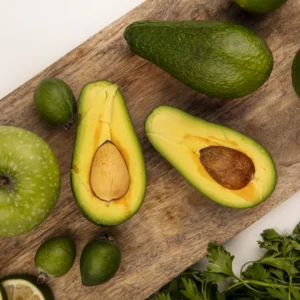
Avocados grow on evergreen trees in the laurel family. The fruit has a thick skin, a large pit and soft, oily flesh. The shape can be pear-like, oval or almost round. The skin color varies by variety, from light green to almost black.
The benefits of avocado start with its composition. One hundred grams of the flesh contains about 160 kcal. Most of these calories come from healthy monounsaturated fats. The fruit also contains:
- fiber – about 7 g per 100 g
- protein and a small amount of carbohydrates
- vitamins A, E, C, K and B vitamins (B6, B9)
- minerals – potassium, magnesium, copper, phosphorus
- antioxidants – lutein, zeaxanthin, beta-carotene
One whole avocado can provide up to 40% of your daily folate needs, around 30% of vitamin K and more than 20% of vitamin C. So the benefits of avocado aren’t just a “trend” – it’s a genuinely nutrient-dense food.
Avocado doesn’t taste sweet, which is why many people think of it as a vegetable. But from a botanical point of view, it’s a fruit, more precisely a berry-like fruit.
There are different avocado varieties – Hass, Fuerte, Pinkerton, Zutano, Bacon, Reed, Ettinger and others. They differ in flavor and texture. Some are richer and creamier, others lighter and fresher. But when it comes to health benefits, all varieties are similar – they’re a source of healthy fats, fiber and vitamins.
Benefits of Avocado for the Heart, Blood Vessels, Brain and Digestion
The main benefit of avocado for the heart is its fat content. It’s mostly monounsaturated fat. These fats help lower “bad” cholesterol and support “good” cholesterol. If you eat one avocado a day for several weeks, you can improve your lipid profile – lower total cholesterol, triglycerides and low-density lipoproteins.
Avocado is also good for your blood vessels. The fruit is rich in potassium. This mineral helps control blood pressure and lowers the risk of hypertension. Antioxidants and vitamins C and E protect vessel walls from damage. That matters for preventing atherosclerosis and cardiovascular disease.
For the brain, avocado’s benefits are linked to its fats and lutein. Healthy fats are essential for nerve cells. Lutein and zeaxanthin support vision and cognitive function. Antioxidants help reduce inflammation and oxidative stress, which affect the brain as you age.
Avocado helps digestion thanks to its fiber. Fiber supports normal intestinal motility and helps keep your bowel movements regular. The fruit contains both soluble and insoluble fiber. Soluble fiber works gently with the contents of the intestine, while insoluble fiber adds bulk. This can be helpful if you tend to get constipated.
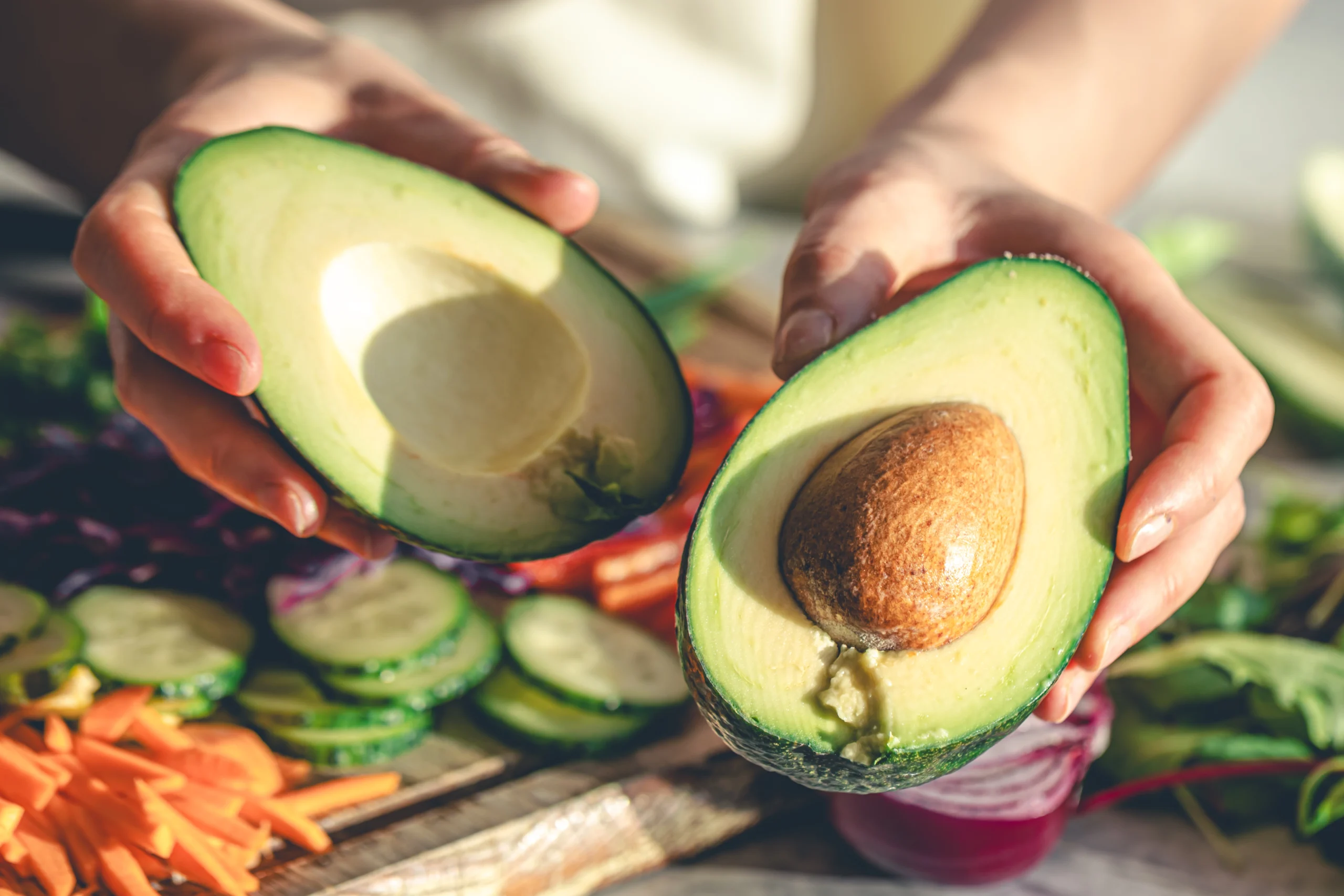
Another plus is the feeling of fullness. The fats in avocado slow down stomach emptying. Half an avocado in a meal can keep you feeling full for up to 4–5 hours. That’s important if you’re watching your weight and trying to snack less often.
Benefits of Avocado for Women, Men, Children and During Pregnancy
For women, avocado is often associated with appearance – and not without reason. Vitamins A and E help keep skin firm and hydrated. Antioxidants reduce the effects of ultraviolet radiation and free radicals. That supports the skin against premature aging.
Folic acid (vitamin B9) in avocado is important for reproductive health. It’s involved in forming blood cells and the nervous system. That’s why avocado is especially valuable for women who are planning a pregnancy or are already pregnant. Of course, the fruit doesn’t replace vitamin supplements, but it can help cover part of your folate needs.
Avocado oil enhances these benefits. It’s used:
- to care for dry, tired skin
- as a mask to strengthen hair
- to improve nail condition
- for small local inflammations on the skin
For men, avocado’s benefits are linked to the heart, energy levels and reproductive health. Healthy fats and potassium support normal cholesterol and blood pressure. Vitamin B6 and magnesium help you cope with stress and fatigue. Antioxidants and fats can improve blood circulation, which also matters for sexual function.
For children, avocado is useful because of its soft texture and high nutritional value. You can introduce it as complementary food at around 6–7 months. Start as a smooth puree, then move on to small pieces. Healthy fats support brain development, while vitamins and minerals help bones and muscles grow. Fiber helps set up normal bowel function.
During pregnancy, the benefits of avocado become especially noticeable. It helps you:
- get folate for fetal development
- reduce swelling and control blood pressure thanks to potassium
- fight constipation thanks to fiber
- maintain energy due to monounsaturated fats
Avocado is also helpful while breastfeeding. It supplies the mother’s body with fats, vitamins and minerals. Some of these nutrients pass to the baby through breast milk.
Benefits of Avocado for Weight Loss, Diabetes and Joint Problems
People often underestimate the role of avocado in weight loss because it’s quite high in calories. Yes, 100 g of avocado flesh has about 160 kcal. But most of those calories come from healthy fats. Together with fiber, these fats keep you full for a long time. If you add half an avocado to your lunch, you’re likely to eat less later. You don’t feel intense hunger as quickly.
The benefits of avocado for weight loss aren’t about “burning fat” but about appetite control and replacing less healthy fats. If you keep an eye on total calories, avocado can help reduce your weight and waist circumference.
For people with diabetes, avocado can be especially helpful. The fruit is low in sugar but high in fiber and fats. Its glycemic index is low. That means it doesn’t cause sharp spikes in blood glucose. Adding avocado to meals helps stabilize your blood sugar and insulin levels.
For gout, avocado is considered a safe food. It’s low in purines, which raise uric acid levels. Potassium helps remove uric acid from the body. On top of that, healthy fats and antioxidants help reduce inflammation.
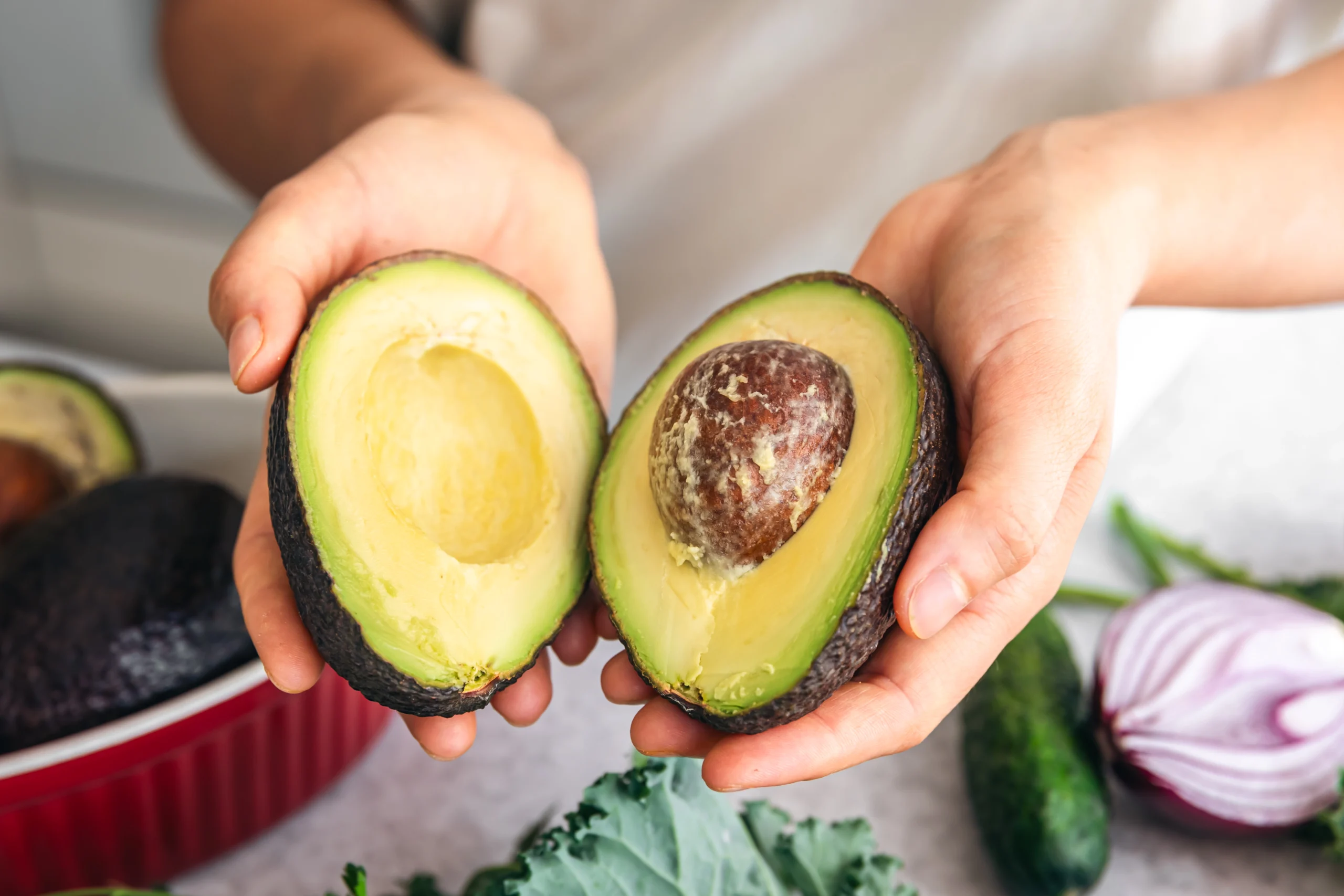
For arthritis, avocado’s benefits are linked to saponins and vitamin E. They may ease osteoarthritis symptoms, especially in the knee and hip joints. Healthy fats help lower overall inflammation and make it easier for the body to absorb other fat-soluble vitamins that joints need.
In cancer, avocado plays a supportive role. Antioxidants (lutein, zeaxanthin, vitamin E, beta-carotene) help fight oxidative stress. The fruit provides energy and nutrients when your appetite is low. But avocado is not a cancer medicine and does not replace main treatment.
Avocado and the Digestive Tract – When It Helps and When to Be Careful
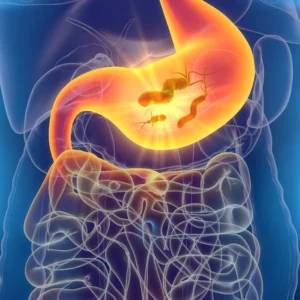
The benefits of avocado for the stomach and intestines are largely due to its gentle fiber. The flesh coats the mucous membrane, doesn’t irritate it and helps normalize bowel movements. That’s important if you tend to get constipated or have mild digestive issues. With gastritis, avocado can be helpful. A ripe fruit, without skin and pit, eaten as puree or small pieces, can reduce discomfort. It doesn’t contain acids like citrus fruits and has a neutral taste. That lowers the risk of irritating the stomach lining.
With a stomach or duodenal ulcer, the soft texture and fats may support healing. Antioxidants help reduce inflammation, and fiber gently supports bowel function. But portions should be small and the fruit fully ripe.
With pancreatitis, the situation is different. In the acute phase, avocado’s benefits are secondary, because any fats are undesirable. During remission, small portions may be acceptable, but only after talking to your doctor. You shouldn’t add avocado on your own if you have pancreatitis.

Avocado is good for the liver if there is no severe liver damage. Fats and antioxidants support cell regeneration and detox processes. But in serious liver disease, too much fat, even healthy fat, can be an extra burden. In that case, personal medical advice is crucial.
You also need to pay attention to how your intestines react. Because avocado is high in fiber, it can cause bloating or discomfort if you have irritable bowel syndrome. In these cases, the benefits of avocado depend on the portion size. Often a quarter or half an avocado a day is enough.
Who Should Avoid Avocado – Allergy and Other Limits
Allergy to avocado is rare, but it does happen. Reactions can include itching, rash, swollen lips or stomach discomfort. Some people with latex allergy have a cross-reaction to avocado. This is called the “latex–fruit” syndrome.
If you notice suspicious symptoms after eating avocado, it’s better to stop eating it and talk to a doctor. People with severe liver or gallbladder disease also need to be careful. A large amount of fat can make their condition worse.
Others who should be cautious include:
- people with pronounced irritable bowel syndrome
- those who often have bloating and diarrhea
- anyone who suddenly increases their fiber intake
In these situations, avocado can still be useful, but only in small portions and with attention to how your body reacts. And don’t forget about calories. If you just add avocado on top of an already high-calorie diet, your weight may go up, not down.
How to Eat Avocado so the Benefits Are Maximized
To feel the benefits of avocado, half to one medium fruit a day is usually enough. If you’re overweight, it’s better to start with half. The main thing is to count other fats in your diet and not add avocado on top of mayonnaise, fatty meat and sweets.
How to choose a ripe avocado:
- the skin should be free of large spots and cracks;
- when you press gently, the fruit should give a little but not feel mushy;
- the color ranges from dark green to green-brown (for Hass);
- under the stem, the flesh should be light green, not brown.
How to store avocado and keep its benefits:
- keep a firm avocado at room temperature until it ripens;
- to speed up ripening, put it in a paper bag with a banana or apple;
- store a ripe avocado in the fridge for 2–3 days;
- sprinkle a cut half with lemon juice, cover with plastic wrap and put it in the fridge.
Avocado is healthiest when eaten fresh. It goes well with vegetables, eggs, fish and wholegrain bread. You can add it:
- to salads;
- to smoothies;
- to guacamole and other sauces;
- on toast and sandwiches;
- to rolls and bowls.
The simpler the dish, the easier it is to “use” the benefits of avocado. For example, wholegrain toast, mashed avocado, tomato and an egg already make a full, nutritious breakfast.
Why You Should Remember Avocado’s Benefits but Not Overrate Them
The benefits of avocado come from its mix of healthy fats, fiber, vitamins and minerals in one product. The fruit supports the heart, blood vessels, brain, digestion, skin and overall energy levels. It can help with weight control, diabetes and some joint and digestive issues, but only as part of your overall diet.
Avocado isn’t a “magic pill”, but it is a strong player in a balanced menu. If you eat it regularly, in moderate amounts and with your own health in mind, its benefits will be noticeable for your whole body. At the same time, you need to remember about possible allergies, liver disease and how your intestines react.
Answers to Common Questions About Avocado Benefits
Monounsaturated fats and phytosterols in avocado help lower “bad” cholesterol and support “good” cholesterol. Potassium helps control blood pressure. Together, these effects reduce the risk of cardiovascular disease.
Yes, as long as you count the calories. The main benefit of avocado for weight loss is that it keeps you full for a long time and helps you avoid overeating. It’s important that avocado replaces other fats in your diet instead of being added on top of them.
Yes. It’s low in sugar and high in fiber and healthy fats. This helps stabilize blood glucose levels and avoid sharp spikes after meals.
Most people do well with half to one medium avocado a day. That’s enough to feel the benefits without taking in too many extra calories. If you have chronic diseases, it’s better to discuss your portion size with your doctor.
Avocado is not suitable for people who are allergic to it or to latex. You need to be careful if you have severe liver disease, acute pancreatitis or some intestinal disorders. In these cases, avocado is only helpful if you follow individual limits set with your doctor.